| |
Dear Reader,
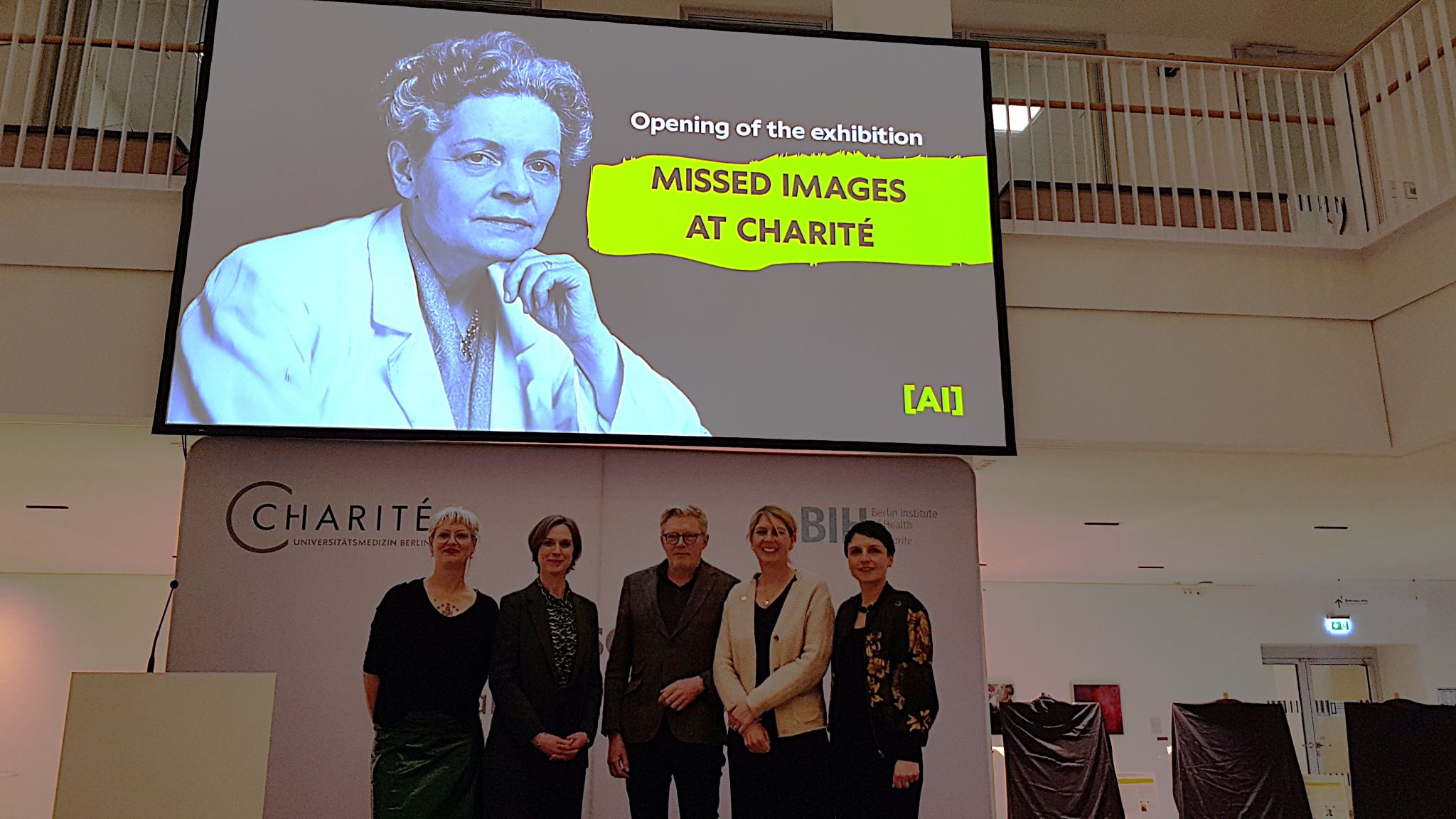
Rare diseases continue to challenge the medical world, with patients often facing long diagnostic journeys and a lack of effective treatments. Biomedical translation is the key to changing this; by bridging the gap between lab research and clinical practice, we ensure that new discoveries reach patients faster. At the BIH, our researchers and partners are working to accelerate diagnostic processes, develop innovative therapies, and embed precision medicine into routine care. Initiatives like the National Translational Tandem Program for Gene- and Cell-Based Therapies (nTTP-GCT) also highlight how vital the support of early-career researchers is to achieving this progress. In this issue, we explore ongoing projects and programs and interview experts on emerging therapeutic approaches. We also look back at the opening of the BIH traveling exhibition, “Berlin – Capital of Female Scientists,” in Warsaw and report on “Versäumte Bilder – Missed Images” at the Rahel Hirsch Center – an exhibition that shines a long-overdue light on extraordinary female physicians and researchers whose work shaped modern medicine.
Happy reading!
Your BIH Newsletter Team
|
|
|
|
|
|
|
© Einstein Stiftung Berlin | Pablo Castagnola
|
|
They want to detect and treat diseases before symptoms appear: At the Einstein Center for Early Disease Interception, researchers from Charité – Universitätsmedizin Berlin, the Max Delbrück Center, the Berlin Institute of Health at Charité (BIH), and the Technische Universität Berlin, along with other Berlin-based partners, are pooling their expertise to explore early disease prevention and how to bring results quickly into practice. Across institutions, researchers will harness the latest technologies to develop ways to prevent the onset of diseases in the future. The new Einstein Center launched yesterday with a festive event. To the partner press release
|
|
|
|
|
|
© TeeFarm/Felix auf Pixabay
|
|
How Biomedical Translation Can Improve Care for People With Rare Diseases
Rare diseases are still considered the “orphans of medicine” – often diagnosed late, understudied, and difficult to treat. Yet new data-driven, genomic, and participatory approaches promise a paradigm shift. From national registries and AI-assisted diagnostics to patient-developed apps and high-resolution 3D tissue analysis, researchers at the Berlin Institute of Health at Charité (BIH) are working together with strong partners to accelerate the diagnosis of rare diseases, close gaps in care, and bring precision medicine into routine clinical practice. Read the press release (in German only)
|
|
|
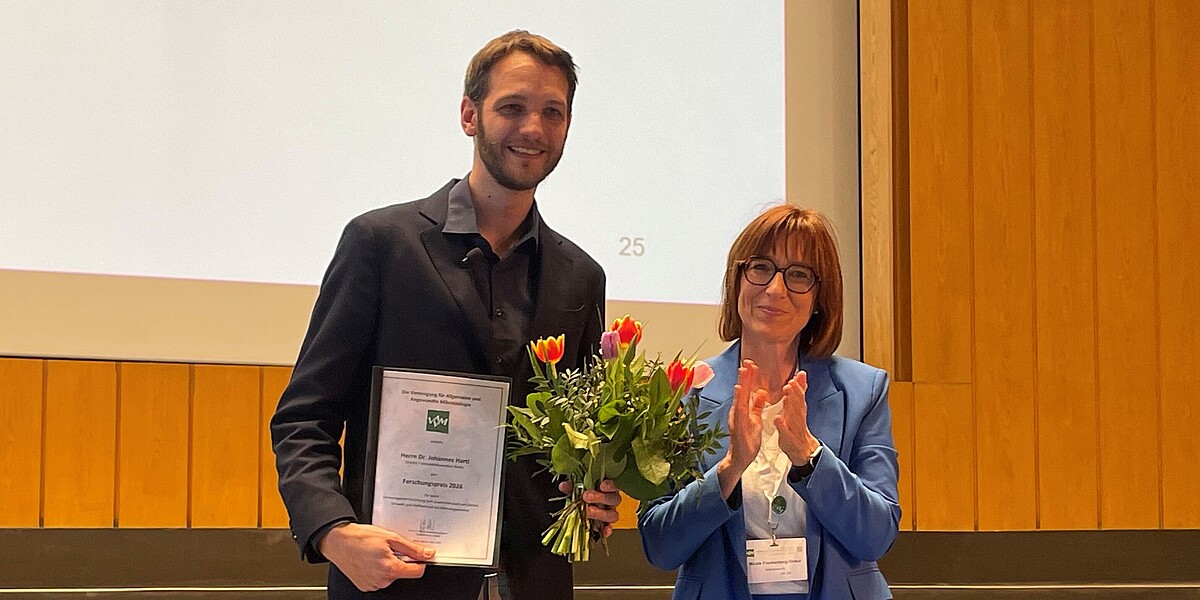
Dr. Johannes Hartl, head of the joint research group "Systems Biology and Systems Medicine of Metabolism" at the BIH and at Charité – Universitätsmedizin Berlin, has been awarded the VAAM Research Award 2026. The Association for General and Applied Microbiology (VAAM) honors his work on the interplay between genetics, environment, and metabolism in microorganisms. The award ceremony took place in Berlin on March 22, 2026. To the VAAM press release
Read more
|
|
|
News From the BIH Biomedical Innovation Academy (BIA)
|
|
|
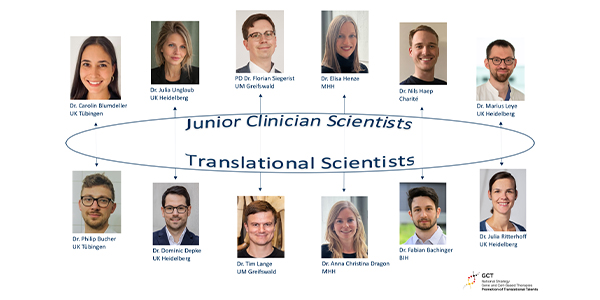
The national Translational Tandem Program for Gene- and Cell-based Therapies (nTTP-GCT) was designed and implemented by the BIH Biomedical Innovation Academy (BIA) as part of the National Strategy for Gene- and Cell-based Therapies (GCT). On March 1, 2026, the second cohort of fellows started, and the BIA will support six additional tandems, each consisting of a Junior Clinician Scientist and a Translational Scientist, in advancing their joint GCT research projects and careers over the next two years. The new fellows come from Tübingen, Heidelberg, Greifswald, Hannover, and Berlin and receive program support with regard to contractually guaranteed research time, travel and consumables budgets, and customized training activities. Welcome to the nTTP-GCT funding program! Overview of the new fellows
|
|
|
|
|
|
© left (Dr. Lucie Loyal) © BIH | Thomas Rafalzyk and right (Dr. Shady Sayed) © privat
|
|
Early Career Support With Impact: Two nTTP-GCT Fellows Demonstrate How Translation Can Succeed
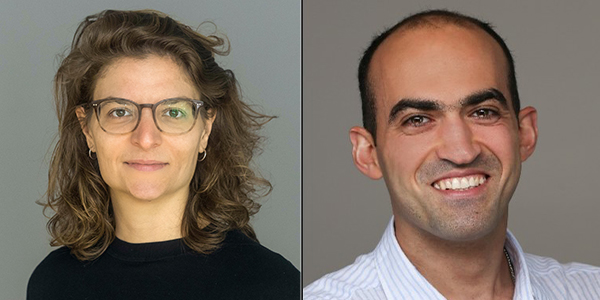
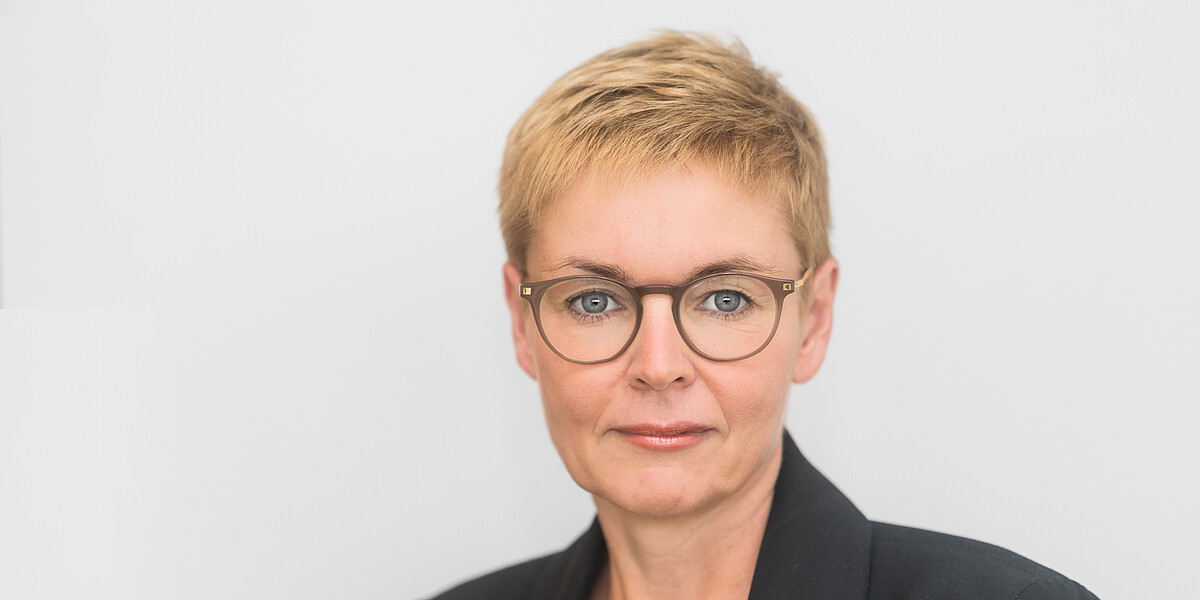
Successful publications and follow-up funding are considered key steps in a scientific career. Two fellows of the national Translational Tandem Program for Gene- and Cell-based Therapies (nTTP-GCT) have achieved exactly that within their first year of funding: In this article Translational Scientist Dr. Lucie Loyal, who conducts research at the BIH in Berlin, presents her research and scientific goals for her recently awarded grant by the Else Kröner-Fresenius-Stiftung (EKFS), which builds on her nTTP-GCT project. Dr. Shady Sayed from the Faculty of Medicine Carl Gustav Carus Dresden talks about his successes and future career plans in an interview. Find out here what research questions drive the Translational Scientist, what decisions have shaped him, and what role the nTTP-GCT personal funding program has played in this.
|
|
|
News From the Hägerling Lab
|
|
|
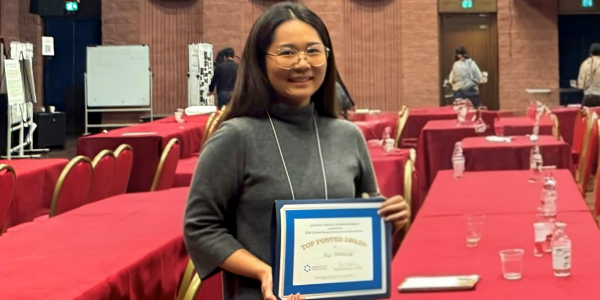
Award For Best Poster for Rose Behncke
At the beginning of March, Rose Behncke from the Lymphovascular Medicine lab (René Hägerling) received the award for Best Poster at the Gordon Research Conference on Lymphatics. The Lymphatics GRC is an internationally renowned scientific conference focusing on lymphatic vessel biology and diseases of the lymphatic system. It provides a forum for presenting and discussing innovative, often unpublished research findings. In her poster, Rose Behncke presented a new non-destructive 3D histopathology method based on light-sheet microscopy. This approach enables highly detailed three-dimensional analysis of tissue samples without damaging them. It makes it possible to visualize the architecture of lymphatic vessels more precisely and to identify disease-specific changes associated with primary lymphedema. Congratulations on this outstanding achievement!
|
|
|
In addition to traditional chemotherapy, researchers are developing innovative cancer treatments that help patients’ immune systems fight cancer on their own. These treatments are gentler on patients than conventional therapies. Until now, it was unclear exactly how communication works between different types of immune cells, including CD4⁺ T cells – which use signaling molecules to control the activation of other immune cells – and CD8⁺ T cells, which can kill cancer cells. We spoke with Prof. Dr. Birgit Sawitzki about the study in which her team deciphered how these cells work together in response to lung adenocarcinoma. Read the interview
Read the publication
|
|
|
Christopher Baum on New Perspectives Through Biomedical Translation and Gene- and Cell-Based Therapies
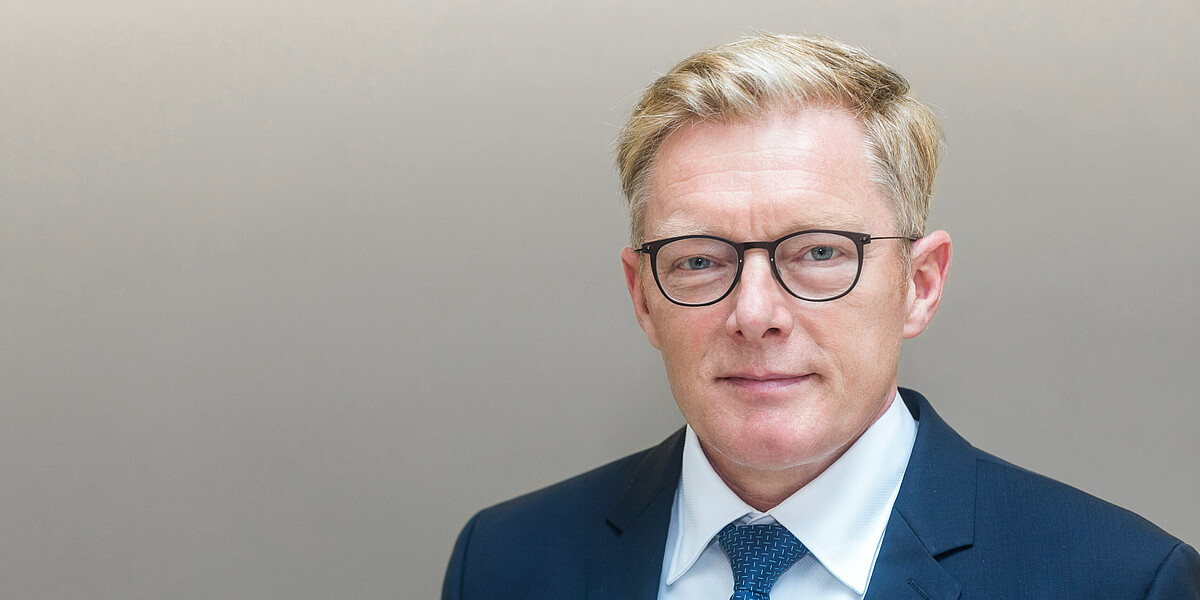
Rare Disease Day on February 28 puts the spotlight on millions of people for whom there is often neither a definitive diagnosis nor effective treatments. At the BIH, work is therefore focused specifically on the intersection of research and care: new diagnostic approaches and innovative therapies – including gene- and cell-based procedures – are to reach patients more quickly. In this interview, Professor Christopher Baum, Chair of the BIH Board of Directors and Chief Translational Research Officer of Charité, explains how these approaches work together, what role the National Strategy for Gene- and Cell-based Therapies plays, and why the patients’ perspective is indispensable in this process. Read the interview (in German only)
|
|
|
|
|
|
© BIH | Katharina Kalhoff
|
|
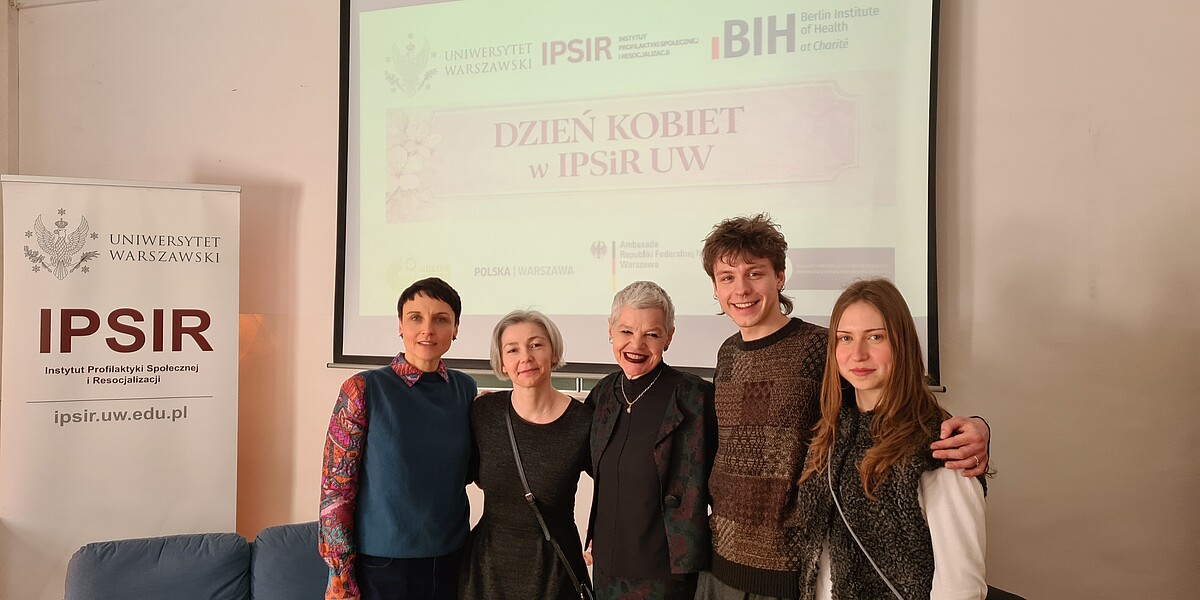
The exhibition “ Berlin – Capital of Women Scientists” by the BIH continues its tour and has been on display in Berlin’s Polish partner city, Warsaw, since March 10. It is being shown simultaneously at the Goethe-Institut Warsaw and at the University of Warsaw, specifically at the Institute for Social Prevention and Resocialization (IPSiR). The festive opening of the exhibition on March 10 at the IPSiR of the University of Warsaw provided valuable input on the topic of women in science from both Germany and Poland. Karin Höhne, Head of the Equal Opportunities and Diversity Office at BIH, presented the exhibition and offered brief insights into its development. The highlight of the afternoon was a lively panel discussion titled “Working in Science – Women’s Perspectives”, in which female researchers from diverse fields shared their experiences and reflected on opportunities, challenges, and the changes needed in the academic world. Read more and see the photo gallery
|
|
|
New Exhibition “Versäumte Bilder – Missed Images”
The exhibition “Missed Images” opened at the Rahel Hirsch Center for Translational Medicine in late February with opening remarks by Professor Christopher Baum, Chair of the BIH Board of Directors and Chief Translational Research Officer of Charité. This joint project by Charité and BIH highlights outstanding female physicians and researchers whose scientific contributions have long been overlooked. Using AI-generated images by artist Gesine Born (Bilderinstitut), the exhibition highlights their achievements and stories – and invites visitors to reflect on visibility, memory, and equal opportunity in science. The exhibition can be viewed at the Rahel Hirsch Center (Luisenstr. 65, 10117 Berlin) Monday through Friday from 8:00 a.m. to 5:00 p.m. After that, it can be viewed for another four weeks in the foyer of CharitéCrossOver (Virchowweg 6, 10117 Berlin). The exhibition is in German (English available via QR code).
|
|
|
All BIH events are noted in our event calender. If you would like to receive a regular overview of upcoming BIH Events, please register here. Many thanks.
|
|
|
|
|
|